
Updated February 11, 2026 By Lamia Ghernati & Rim El Helou
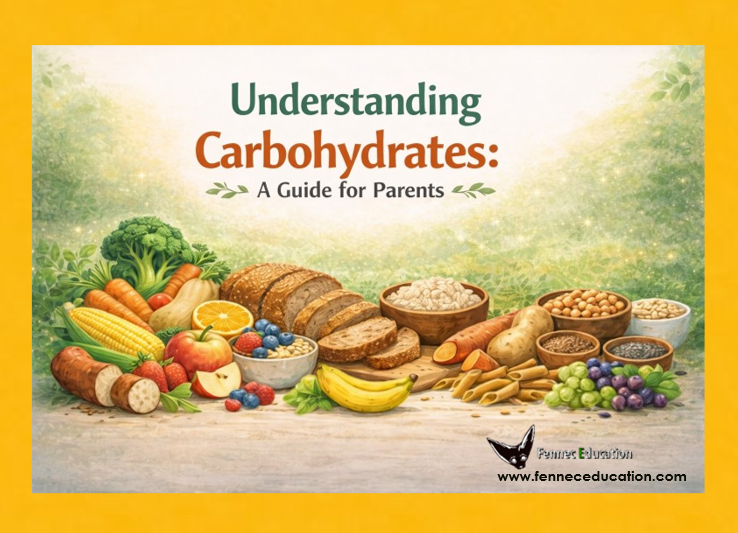
Carbohydrates are one of the most misunderstood parts of nutrition today. In many modern diet trends, carbs are portrayed as something to avoid, blamed for weight gain, blood sugar problems, and poor health.
Parents often wonder:
- Should my child eat bread or pasta?
- Are potatoes unhealthy?
- Is fruit “too much sugar”?
- Are carbs really necessary?
The truth is much simpler: Carbohydrates are not the enemy. They are one of the body’s most important sources of energy, especially for growing children. What matters most is understanding the type of carbohydrates we eat and how they fit into balanced meals.
⚡ 1. What Are Carbohydrates, Really?
Carbohydrates are one of the three main macronutrients, alongside protein and fat. Their primary role is to provide fuel. When we eat carbohydrate-rich foods, the body breaks them down into glucose, the main energy source for:
- The brain
- The muscles
- Daily activity
- Growth and development
In fact, the brain relies heavily on glucose to function properly. This is especially important for children, whose brains are constantly developing and learning.
But glucose is not only used immediately. The body also stores some of it for later in the form of glycogen, which is kept in the liver and muscles.
- Liver glycogen helps maintain stable blood sugar between meals and during sleep.
- Muscle glycogen provides quick energy during movement, play, and exercise.
These energy reserves are essential for survival; they allow the body to function even when we are not eating continuously. Therefore, carbohydrates are not “empty.” They are part of the body’s natural energy system, supporting focus, growth, and everyday life.
🍞 2. The Key Difference: Starchy vs Non-Starchy Foods
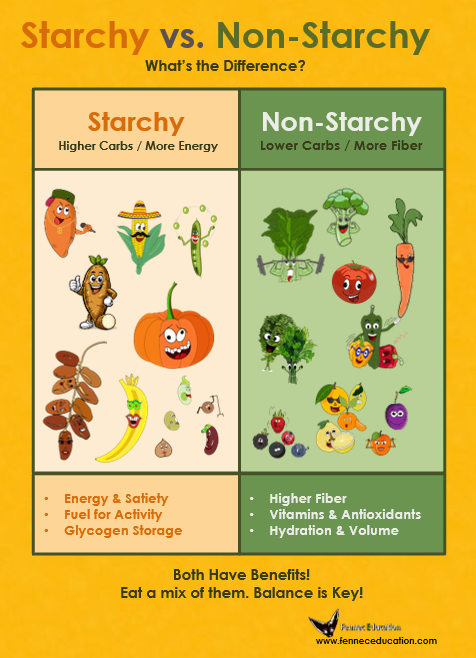
Not all carbohydrates behave the same way in the body. One of the most helpful distinctions, especially for families, is between starchy carbohydrates and non-starchy carbohydrates. Both are important. They simply serve different roles.
🥦 Non-Starchy Vegetables: Low Energy, High Protection
Non-starchy vegetables contain relatively small amounts of carbohydrate, but they are rich in:
- Fiber
- Vitamins and minerals
- Antioxidants and phytochemicals
- Water content
They provide volume and nourishment without raising blood sugar quickly.
Examples include: leafy greens (spinach, lettuce), cucumbers, peppers, broccoli, zucchini, cauliflower, and tomatoes. These foods are often the foundation of balanced meals because they support digestion, gut health, and long-term protection.
🌾 Starchy Foods: Energy-Rich Carbohydrates the Body Uses for Fuel
Starchy foods contain more carbohydrate and are the body’s main source of usable energy. They help support:
- Growth in children
- Physical activity and muscle fuel
- Concentration and brain energy
- Glycogen storage for daily function
- Lasting sense of fullness, helping children stay satisfied between meals
Without enough nourishing carbohydrates at meals, children may feel hungry quickly and start craving frequent snacks, not because something is wrong, but because their bodies are still seeking fuel.
Examples include: rice, pasta, bread, potatoes and sweet potatoes, legumes (beans, lentils, chickpeas), corn, and oats. Starchy foods are not “bad”; they are simply more energy-dense, which means they work best when paired with vegetables, protein, and healthy fats.
🧠 A Simple Way to Think About It
You can imagine the difference like this:
- Non-starchy vegetables are the body’s protective foods
- Starchy foods are the body’s fuel foods
Both belong on a healthy plate. The goal is not to eliminate starch; it is to balance it.
✨ A meal with rice, beans, and vegetables nourishes the body very differently than sugar eaten alone.
Understanding the difference between starchy and non-starchy foods helps families choose carbohydrates with confidence, not fear.
🌱 What About Beans and Lentils?
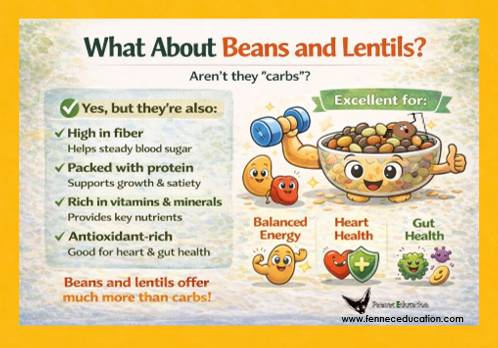
Legumes such as lentils, chickpeas, and beans are a unique carbohydrate food. They contain starch, so they provide energy like other starchy foods, but they also bring:
- Plant-based protein
- A large amount of fiber, which is especially beneficial for gut microbiota health
- A slower, gentler effect on blood sugar
That’s why legumes are often considered a “bridge” between the carbohydrate and protein groups.
In this article, we include them here because of their carbohydrate and fiber content, and we’ll explore their protein role more deeply in the upcoming Protein 101 article.
🌿 3. Fiber: The Carbohydrate That Protects
When people hear “carbohydrates,” they often think of sugar or starch. But one of the most powerful forms of carbohydrate is fiber, and it may be one of the most protective nutrients in the human diet. Fiber is found only in plant foods:
- Vegetables
- Fruits
- Legumes
- Whole grains
- Nuts and seeds
Unlike sugar and starch, fiber is not fully digested or absorbed. Instead, it plays essential roles throughout the body.
🧩 Two Main Types of Fiber
Fiber is often grouped into two categories, and both are important:
A- Soluble Fiber (gel-like fiber)
This type dissolves in water and forms a soft gel in the gut. It helps:
- Slow down sugar absorption
- Improve insulin sensitivity
- Lower LDL (“bad”) cholesterol
Examples include beans and lentils, apples, oats, carrots, chia, and flaxseeds
B- Insoluble Fiber (bulking fiber)
This type adds structure and supports regular bowel movements. It helps:
- Prevent constipation
- Support digestive health
- Promote healthy elimination
Examples include whole wheat, leafy greens, cucumbers, nuts and seeds
🛡️ Fiber Helps Remove Waste and Toxins
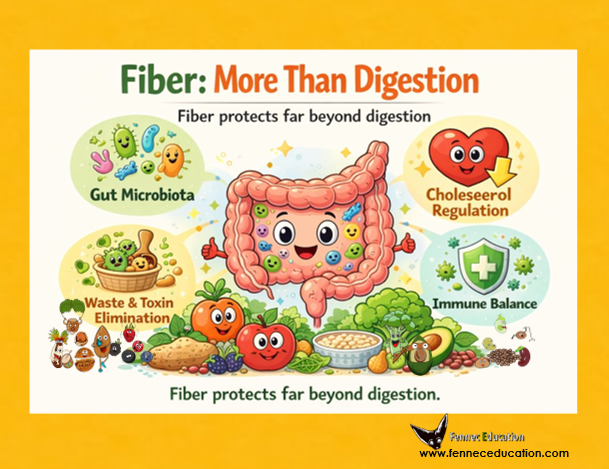
Fiber supports the body’s natural detoxification pathways by binding waste products in the gut and helping eliminate them efficiently. This reduces the buildup of harmful compounds and supports long-term metabolic and digestive health.
Fiber helps lower cholesterol
Certain types of soluble fiber bind to cholesterol in the digestive tract and help remove it from the body, supporting heart health over time.
🌱 Fiber Feeds the Gut Microbiota (Prebiotic Power)
One of fiber’s most fascinating roles is its direct impact on the gut microbiome. Many fibers, especially soluble fibers, act as prebiotics, meaning they nourish the beneficial bacteria living in our intestines. When these microbes are well-fed, they produce protective compounds (such as short-chain fatty acids) that help:
- Reduce inflammation
- Strengthen the gut barrier
- Support immune balance
- Improve metabolic health
- And even influence mood and brain function through the gut–brain axis
A healthy, diverse microbiome is increasingly recognized as a foundation of whole-body health; from digestion to mental well-being.
🧠 Fiber and Immune (Autoimmune) Health
Because a large part of the immune system is located in the gut, microbiome health is closely connected to immune regulation. Research suggests that diets rich in fiber may help lower chronic inflammation and support immune balance, which is why gut health is now being explored in relation to autoimmune and inflammatory conditions.
And the gut–brain connection is just as powerful: the microbiota influences mood, brain function, and emotional well-being. This is why fiber-rich carbohydrates are some of the most protective foods we can eat.
✨ In short: fiber is not just about digestion, it is a key tool for protecting the heart, the gut, the immune system, and even the brain. Carbohydrates are healthiest when they come with fiber because fiber turns fuel into protection.
⚖️ A Note on Balance
Fiber is deeply protective, but like all parts of nutrition, it works best in balance. Extremely high intakes of fiber, especially insoluble fiber taken in excess or too suddenly, may interfere with the absorption of certain minerals such as iron, zinc, and calcium, and can cause digestive discomfort in some individuals. This is why the goal is not to overload on one “super nutrient,” but to build meals that include all food groups in harmony.
A balanced plate provides fiber alongside proteins, healthy fats, and key micronutrients working together, not competing. For most families, focusing on variety, not excess, is the healthiest approach.
📈 4. Carbohydrates and Blood Sugar: What Parents Should Know
Carbohydrates naturally raise blood sugar after a meal; this is normal physiology, not something to fear. When we eat carbohydrate-rich foods:
- Glucose enters the bloodstream
- The pancreas releases insulin
- Insulin helps glucose move into cells, where it can be used for energy
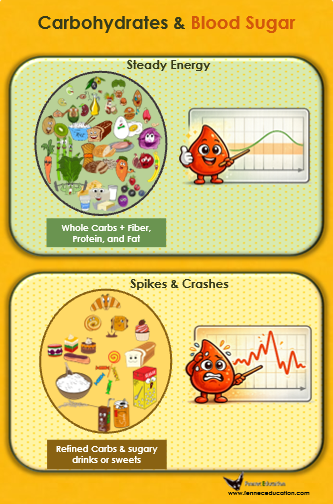
The goal is not to avoid blood sugar changes; it is to support stable regulation and prevent sharp, frequent spikes.
What causes sharper blood sugar swings?
Blood sugar tends to rise more quickly when carbohydrates are eaten in forms that are:
- Highly refined (white bread, pastries)
- Low in fiber
- Consumed alone without fiber, protein, or fat
- Found in sugary drinks or sweets
That’s why carbohydrates work best when paired with other food groups. For example:
- Bread with eggs or yogurt
- Rice with vegetables and beans
- Fruit with nuts
These combinations slow digestion and support steadier energy.
A note about alcohol
Alcohol is not a major concern for children, but for adults, it can affect blood sugar regulation in complex ways. Some alcoholic drinks contain added sugars, while alcohol itself can also interfere with the liver’s ability to release glucose later on. This is why metabolic balance is always about context, not just one ingredient.
If you’d like a deeper explanation of insulin, diabetes, and blood sugar regulation, you can explore our dedicated article here: 🔗 Nutrition and Diabetes: Simple Steps to Protect Your Family’s Health
🍭 5. Whole vs Refined Carbohydrates: The Quality Matters
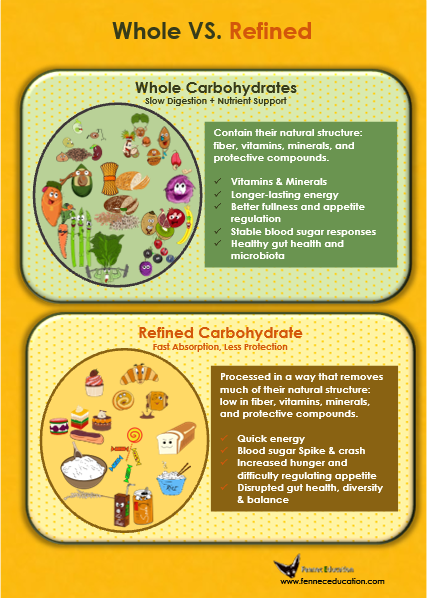
A helpful distinction is not “carbs versus no carbs,” but rather: whole, fiber-rich carbohydrates versus refined, ultra-processed carbohydrates. Both come from plants, but the way they affect the body is very different.
🌾 Whole Carbohydrates: Slow Digestion + Nutrient Support
Whole carbohydrate foods still contain their natural structure: fiber, vitamins, minerals, and protective compounds. Because of this, they are digested more slowly and provide:
- Vitamins & minerals
- Longer-lasting energy
- Better fullness and appetite regulation
- More stable blood sugar responses
- Support for gut health and microbiota
Examples include lentils and beans, sweet potatoes, whole fruits, brown rice, and quinoa. These foods don’t just “raise blood sugar”; they nourish the body while delivering energy gradually.
🍬 Refined Carbohydrates: Fast Absorption, Less Protection
Refined carbohydrates are foods that have been processed in a way that removes much of their fiber and natural structure. This makes them break down very quickly into glucose, which can lead to sharper spikes in blood sugar and hunger soon after.
Examples include candy and sweets, pastries and cookies, sugary breakfast cereals, white bread products, and sweetened drinks. These foods are not “forbidden,” but they are less satisfying and less protective when they become daily staples.
🔑 The Key Message
The issue is not carbohydrates themselves; it is how processed they are, and whether they come with the fiber and nutrients that help the body handle them well. A whole fruit and a sugary snack may both contain carbs, but they behave very differently in the body. Fruit comes with fiber, water, and protective compounds that slow absorption and support health. Understanding this difference helps families make choices based on science, not fear.
Carbohydrates are healthiest when they come in their most natural form; paired with fiber, nutrients, and balance.
👧 6. Carbohydrates in Children: Why They Matter
Children are not small adults; their bodies and brains are in constant growth and development. Carbohydrates play an important role during childhood because they provide the primary fuel for:
- Brain function
- Physical activity
- Growth processes
- Learning and concentration
🧠 The developing brain needs glucose
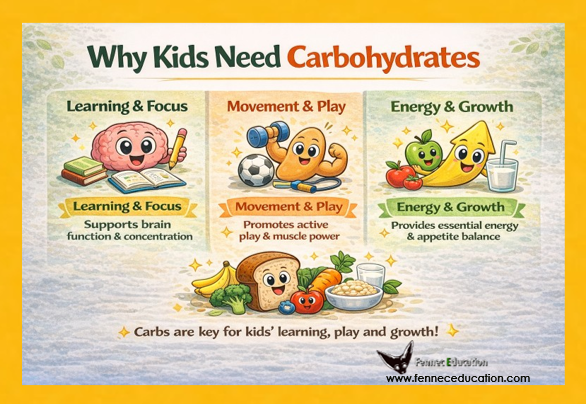
The brain relies heavily on glucose as its main energy source. For children whose brains are rapidly developing, a steady supply of energy is essential for attention, memory, and emotional regulation.
🏃 Muscles need carbohydrates for movement
Children are naturally active: running, playing, growing. Carbohydrates help replenish glycogen stores in muscles, supporting stamina and healthy activity.
🌱 Carbs also come with key nutrients
Many carbohydrate-rich foods are also major sources of:
- Fiber
- B vitamins
- Magnesium and potassium
- Phytochemicals that support long-term health
Foods like beans, fruits, and starchy vegetables provide far more than energy; they contribute to gut health, immunity, and metabolic balance.
🍬 What matters most is the type of carbohydrate
The goal is not to reduce carbohydrates in children, but to focus on quality. The carbohydrates we most need to limit are those high in added sugars, such as:
- Sugary drinks
- Candy and sweets
- Highly processed snack foods
These provide quick sugar without the fiber and nutrients that help the body regulate blood glucose.
✨ For children, carbohydrates are not the problem; processed sugars without balance are.
✅ 7. Practical Guidance: Helping Families Choose Carbs with Confidence
Carbohydrates don’t need to be feared; they need to be understood. For children and adults alike, the healthiest approach is not to remove carbs, but to choose them wisely and eat them in balance. Here are a few simple, evidence-based habits that make a big difference:
🥦 Prioritize fiber-rich carbohydrates
Choose foods that come with their natural structure as these nourish the gut microbiota, support stable energy, and protect long-term health:
• Beans and lentils
• Fruits
• Vegetables
• Whole grains

⚖️ Pair Carbohydrates with Protein, Fiber, and Healthy Fats
Carbohydrates are absorbed differently depending on what they are eaten with. When combined with fiber, protein, and healthy fats, digestion slows down, blood sugar rises more steadily, and energy lasts longer. This simple strategy helps:
• Improve fullness and appetite regulation
• Reduce energy crashes
• Support better blood sugar balance
A bowl of plain white rice behaves very differently than rice eaten with vegetables, beans, and olive oil. Balance changes biology!
🍞 Include starchy foods for fuel, especially for kids
Starches like rice, potatoes, and whole grains provide lasting energy and help children stay satisfied between meals.
They are not the problem; eating them alone without balance is.
🍬 Limit added sugars, not whole foods
Carbohydrates like sugary drinks, candies, and ultra-processed snacks are high in added sugar and low in nutrients. These don’t provide the same nourishment or regulation as whole carbohydrate foods.
🍽️ Think in patterns, not perfection
No single meal defines health. What matters most is the overall rhythm:
- Balanced meals
- Variety across the week
- Flexibility without extremes
🍽️ 8. Examples of Balanced Carbohydrate Meals
Carbohydrates are healthiest when they come with fiber, protein, and healthy fats, as part of a complete meal. Simple examples include:
🏡 Balanced Carbohydrates at home:
- Pasta with vegetables, olive oil, and grated cheese or beans
- Rice with lentils, salad, and yogurt
- Whole-grain toast with eggs, avocado, and fruit
- Yogurt topped with nuts and berries
- Baked potato with salmon and a side of greens
🎒 Balanced Carbohydrates for School Lunches
The same principle applies to lunchboxes. Instead of “just carbs,” aim for a mix:
- Whole grain wrap with chicken or hummus + cucumber sticks
- Quinoa or pasta salad with beans, veggies, and olive oil
- Fruit paired with yogurt or a handful of nuts
- Whole-grain bread toast with cheese, cucumber, and cherry tomatoes
These combinations help children stay energized, focused, and satisfied throughout the school day.
✨ Carbohydrates work best in balance not alone.
✨ 9. Final Thought: Carbohydrates Are Fuel, and Fiber Is Protection
Carbohydrates are not simply “sugar.” They are one of the body’s main tools for energy, growth, and survival, especially in childhood. What matters is the form they come in:
- Whole carbohydrates provide fuel and fiber
- Fiber supports the gut, the immune system, and metabolic balance
- Added sugars, when excessive, disrupt regulation
The goal is not restriction; it is understanding. When families learn the difference between starchy foods, vegetables, whole grains, and processed sugars, nutrition becomes calmer, clearer, and more empowering.
🌿 In the next article, we’ll explore one of the most misunderstood carbohydrate groups of all: fruits and vegetables, and why they are far more than “just carbs.”
📚 References & Further Reading
- Hall, J. E. (2021). Guyton and Hall Textbook of Medical Physiology (14th ed.). Elsevier.
(Foundational reference for glucose metabolism, glycogen storage, and insulin regulation.)
https://www.elsevier.com/books/guyton-and-hall-textbook-of-medical-physiology/hall/978-0-323-59712-8
- Institute of Medicine (2005). Dietary Reference Intakes for Energy, Carbohydrate, Fiber, Fat, Fatty Acids, Cholesterol, Protein, and Amino Acids. National Academies Press. https://nap.nationalacademies.org/catalog/10490/dietary-reference-intakes-for-energy-carbohydrate-fiber-fat-fatty-acids
- Slavin, J. (2013). Fiber and Prebiotics: Mechanisms and Health Benefits. Nutrients, 5(4), 1417–1435. https://doi.org/10.3390/nu5041417
- Makki, K., Deehan, E. C., Walter, J., & Bäckhed, F. (2018). The Impact of Dietary Fiber on Gut Microbiota in Host Health and Disease. Cell Host & Microbe, 23(6), 705–715. https://doi.org/10.1016/j.chom.2018.05.012
- Sonnenburg, E. D., & Sonnenburg, J. L. (2014). Starving Our Microbial Self: The Deleterious Consequences of a Diet Deficient in Fiber. Cell Metabolism, 20(5), 779–786. https://doi.org/10.1016/j.cmet.2014.07.003
- American Diabetes Association (ADA). (2023). Standards of Care in Diabetes. https://diabetesjournals.org/care/issue
- Ludwig, D. S. (2002). The Glycemic Index: Physiological Mechanisms Relating to Obesity, Diabetes, and Cardiovascular Disease. JAMA, 287(18), 2414–2423. https://doi.org/10.1001/jama.287.18.2414
- Reynolds, A., et al. (2019). Carbohydrate Quality and Human Health: A Series of Systematic Reviews and Meta-Analyses. The Lancet, 393(10170), 434–445. https://doi.org/10.1016/S0140-6736(18)31809-9
- World Health Organization (WHO). (2015). Guideline: Sugars Intake for Adults and Children. https://www.who.int/publications/i/item/9789241549028
- American Academy of Pediatrics (AAP). (2019). The Use of Nonnutritive Sweeteners in Children. Pediatrics. https://doi.org/10.1542/peds.2019-2765